
There’s a category of tool specifically designed to check citations in an existing document — not generate new ones, but verify that what you already have is correct. They’re worth knowing about, because they’re closer to what you actually need at the end of writing a paper.
But they all stop short of solving the problem.
What These Tools Do
ReciteWorks is the most focused of the bunch. It checks that the author names and years in your in-text citations match the corresponding entries in your reference list. If you wrote (Smith, 2019) in the body but your reference list has Smith as 2020, it flags the mismatch. It handles APA and Harvard style, and it will catch citations that appear in text but have no reference, or references that are never cited.
What it won’t do: look up whether Smith 2019 is actually a real paper. It only checks internal consistency — does the text match the list? Whether the list itself is accurate is your problem.
Trinka takes a different angle. It validates your references against Crossref and flags quality risks: retracted papers, predatory journals, duplicate references, outdated sources, excessive self-citation. Useful for research integrity, but it doesn’t match in-text citations to the reference list, and it doesn’t fix anything. You get a report; remediation is up to you.
Paperpal does both — it checks for citation-reference mismatches and validates references against a database of 250 million papers. It’s the most capable of the three. But when it finds a problem, it directs you to Paperpal’s separate citation generator to look up and replace the bad reference manually. The checking and the fixing are two separate workflows, and the fixing is still on you. It’s also $25/month.
The Gap
Every one of these tools identifies problems. None of them resolve the problems in your document.
That matters because finding an error is only half the work. Once you know that a reference is wrong — wrong year, missing DOI, incorrect page numbers, a preprint year instead of the publication year — you still have to find the correct version, format it properly, and update your document. For a paper with a dozen problematic references, that’s significant work even after the checker has done its job.
How RefRunner Helps You
RefRunner gives you the help you need.
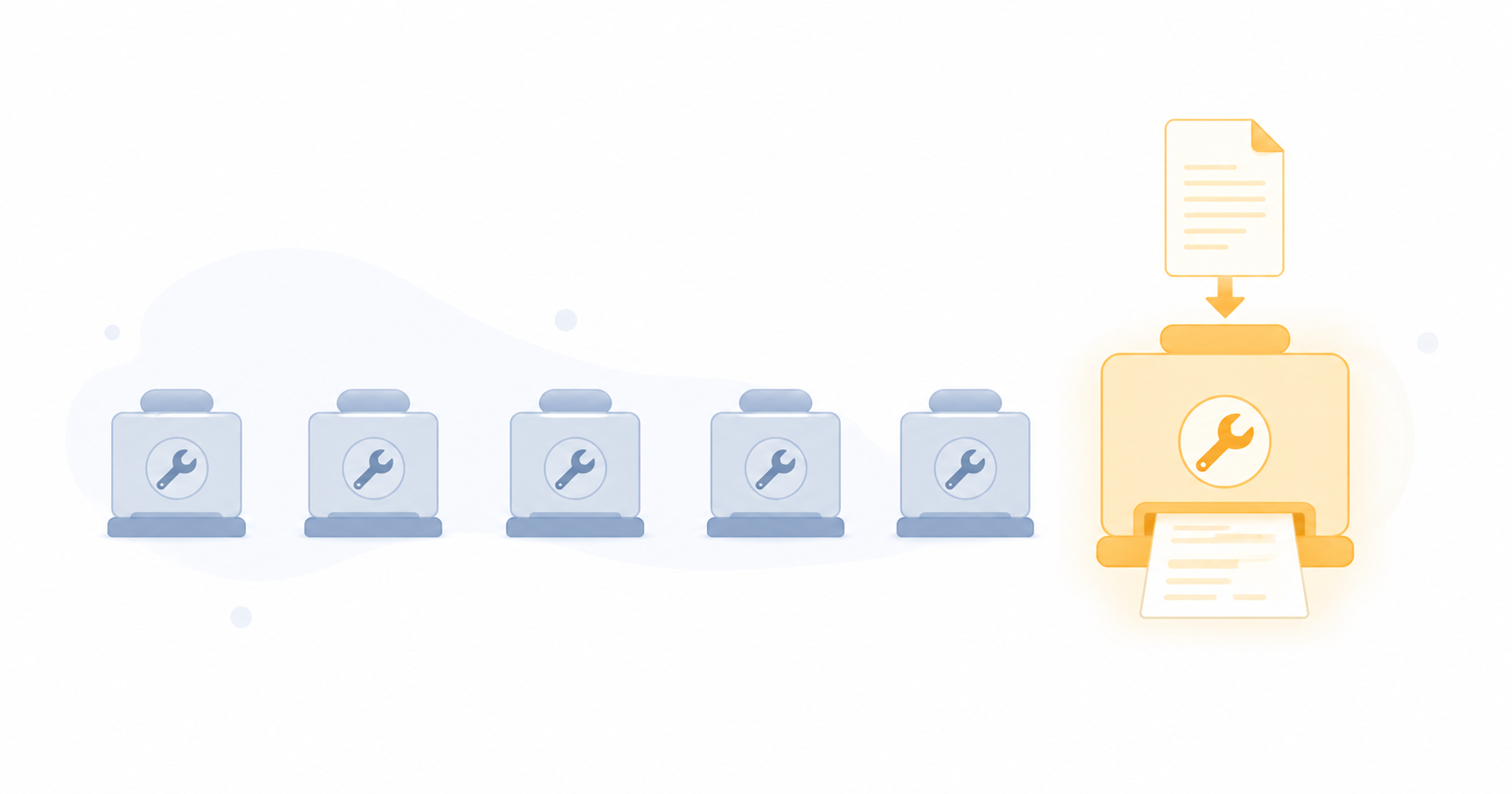
Drag your document in and it matches every in-text citation to the reference list; it catches mismatches, missing references, and uncited entries, the same way ReciteWorks does. Then it validates each reference against Crossref and OpenAlex, the same way Trinka and Paperpal do. But then it goes further: it fixes what it finds. Wrong year, missing DOI, bad capitalization, preprint vs. publication mismatch — these get corrected in place. When you’re done, you download an updated Word document with the corrected references already in it.
The checking, the validation, the fixing, and the updated document — in one workflow, not four.
Try RefRunner.com.